
Do you want to sound more techie or should I say, nerd?
Then you need to understand the working of a website!
I will break down the different components of a website and explain how they work together.
Accelerate website mechanism understanding
Also, this is not an article that will make you a developer.
This is just for a basic understanding of how a website works so that you sound more techie or should I say, nerd.
So, why do you need to understand the working of a website?
Whether you’re an ambitious entrepreneur, a skilled web developer, or an individual seeking to form an online presence, understanding how websites operate is of great importance. It helps one to create user-friendly interfaces, optimise performance, and deliver a smooth user experience.
Knowing the ins and outs of websites empowers one to communicate their message effectively, engage the target audience, and achieve online goals.
HTML = Skeleton or Framework of a Car
HTML (Hypertext Markup Language) builds the framework or UX of a website.


Structural Elements
HTML tags define the structure of the content and their arrangement on a webpage.
Annotate Content
HTML annotates the content, such as headings, paragraphs, and lists making it readable and accessible for both users and search engines.
Links and Navigation
One can establish a navigation system using HTML by linking various sections and pages together, giving a smooth browsing experience.
HTML5 is the latest version of HTML. It introduced new features and capabilities, building upon the foundation of HTML and providing a more powerful and feature-rich toolset to create modern and interactive web experiences.
One of the major advantages of HTML5 is its ‘canvas’ element. With this element, one can modify graphics and animations using JavaScript.
CSS = Design or Style of a Car
The designing and styling or UI of a website is done by CSS (Cascading Style Sheets)


Layout and Positioning
Via CSS one works with the layout and positioning of elements on a webpage. Also one can specify dimensions, margins, padding, and positioning of the contents.
Colours and Backgrounds
CSS is used to set colors for text, borders, and other elements. Not only this CSS can also set the background images and gradients, enhancing the visual appeal of the websites.
Typography
CSS helps in defining fonts, sizes, line heights, and letter spacing. This makes the content visually appealing and enhances the overall readability and aesthetics of the website.
HTML5 is the latest version of HTML. It introduced new features and capabilities, building upon the foundation of HTML and providing a more powerful and feature-rich toolset to create modern and interactive web experiences.
One of the major advantages of HTML5 is its ‘canvas’ element. With this element, one can modify graphics and animations using JavaScript.
JavaScript = Automatic or Electronic features of a Car
JavaScript is commonly used in website animations to create interactive elements, like
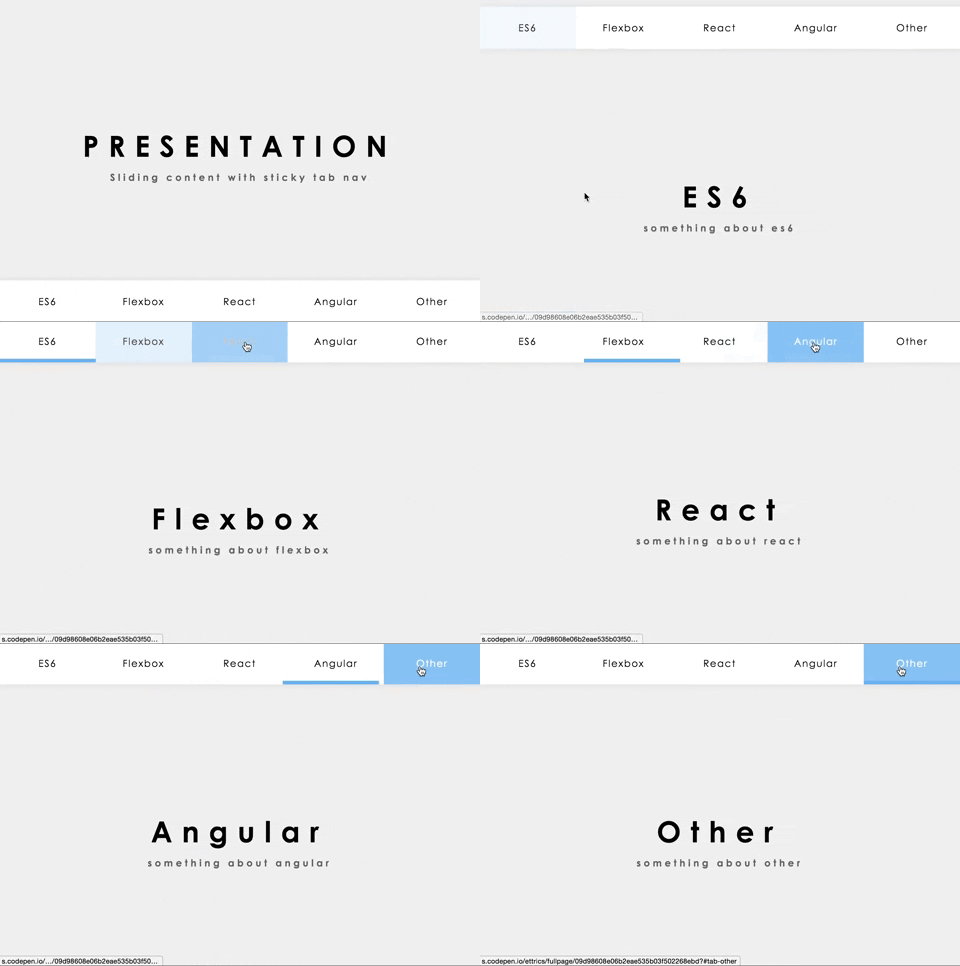

Creating Canvas Animations
The HTML5 canvas element helps in drawing graphics and animations using JavaScript.
Manipulating CSS properties
JavaScript helps in the adjustment of CSS properties of HTML elements, creating animations. One can alter an element’s position, size, opacity, or colour over time
Timing and Animation Loops
By using JavaScript one can schedule animations with specific delays or regular intervals you can also create looping animations or sequences of effects.
The latest version of JavaScript is ECMAScript 2021 (also referred to as ES2021 or ES12). Well, this information is not of any major use just added to maintain the symmetry of my article. hehe..
Python, Java, PHP = Engine of a Car
Coding languages build the functionality of a website.


Python
A huge number of libraries and its ease of use make it an excellent choice to build website functionality. Python can handle everything from server-side processing and data manipulation to web scraping.
It’s ideal for building and managing APIs, which help software in communication and exchanging data.
Java
Java is great at handling data integration, complex business logic, and smoothly merging with different databases.
It is often used for server-side programming in web development and processing client requests by generating interactive content for web pages.
PHP
PHP is a widely chosen option for web development due to its versatility, user-friendly nature, and strong community support.
It also powers server-side processing, database connectivity, and also features for managing forms, sessions, and files, all of which boost a website’s functionality.
PS. If you’re in the mood for a “secure and safe” experience while creating a professional-level website, you can always opt for the thrilling adventure of Java or the wild ride of Python.
Well, if you prefer the easy-peasy route and want to avoid any mental gymnastics go for WordPress or Wix.
MySQL = Fuel of your Car
MySQL’s importance for a website is its ability to handle data storage.
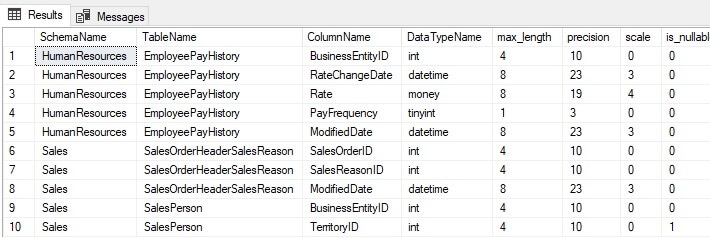

Data Storage
MySQL enables effective organisation and management of structured data, including user information, content, product details, and more.
Scalability
As websites expand in terms of user base, data volume, and traffic, scalability becomes essential.
MySQL provides exceptional scalability options, allowing smooth handling of large amounts of data and high traffic without compromising performance.
Security
MySQL provides high security features, including user authentication, access control, and data encryption, to safeguard sensitive information stored in databases.
processing, database connectivity and also features for managing forms, sessions, and files, all of which boost a website’s functionality.
PS. If you’re in the mood for a “secure and safe” experience while creating a professional-level website, you can always opt for the thrilling adventure of Java or the wild ride of Python.
Well, if you prefer the easy-peasy route and want to avoid any mental gymnastics go for WordPress or Wix.
Share this blog

After reading this article you must be wondering how to create your own website.
No worries I got you, just follow the link below and you will be able to build cook your own website.
This is how you bake a website.
No comment yet, add your voice below!